

Find natural solutions to your pain problems.
For nearly 20 years, the Healthy Back Institute has helped millions of people find lasting relief from pain
conditions through evidence-based natural solutions. Learn more
about us.



Most Recent Articles
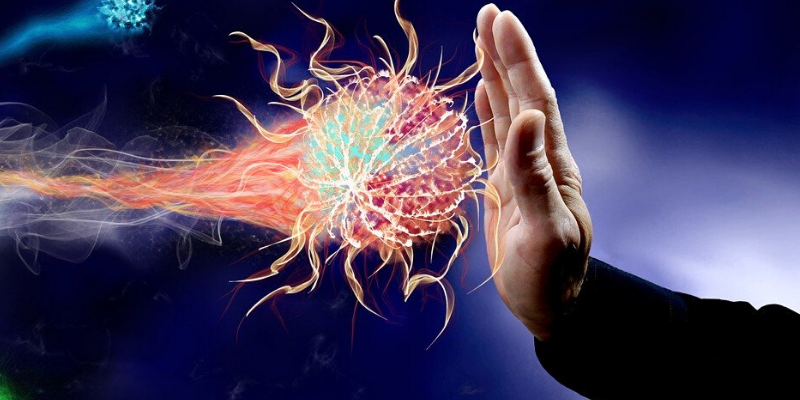
This 30-Second Power Wash Ritual Cleans Your Arteries and Washes Away Joint Pain
Imagine if getting rid of joint pain and stiffness was as easy as washing away dirt and grime with a power washer. That probably sounds too good to be true. But as it turns out, our bodies … Read More
Could This Morning “Pee Test” Reveal a Hidden Cause of Stiff and Aching Joints?
When it comes to your knee, hip, back, or elbow pain, the last thing you probably think of is your urine. Yet some surprising research has revealed something remarkable: the content of you … Read More
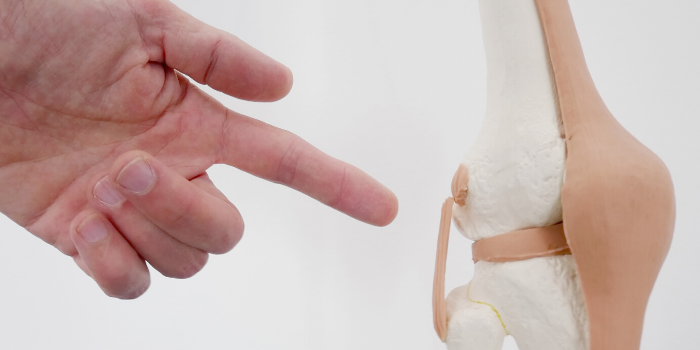
Warning Signs You Might Need a Knee Replacement (1 is BAD)-The Answer Might Surprise You
Pain while gardening…trouble walking upstairs…and pain keeping you awake at night are all common effects of knee pain. If you’re struggling with knee pain right now, you probably know this … Read More
Does this “ancient” sleeping position fix joint pain?
How This Ancient Sleeping Position in Nature Can Fix Joint Pain (Almost No One in America Does This) Most people don’t give a second thought to how they sleep. Yet research that’s been aro … Read More
The Cholesterol Hoax? Why Doctors are DEAD WRONG About Heart Disease
Want to hear something wild? Total worldwide statin sales were projected to surpass $1 TRILLION…in 2020. Here we are 3 years later, and statin sales continue to soar higher than ever. T … Read More
My Shocking Discovery As An Undercover Medical Device Salesman (Think Twice Before Getting a Knee or Hip Replacement)
I’ll never forget my experience as an undercover medical device salesman for as long as I live. Knee and hip replacements are a cash cow for doctors and hospitals all over the country. $30,00 … Read More