
Upper Back Pain and Neck Pain Symptoms, Causes, and Treatments
What is upper back pain?
The upper back and neck region is the most complex area of our body because of the many joints and how those joints work together.
The neck and shoulders can exhibit much the same difficulties as the lower back, such as pulled muscles, disc problems, arthritis, and other issues. While lower back pain affects our ability to ambulate, upper back pain affects our ability to perform daily activities like brushing our teeth or driving a car.
What causes upper back pain?
The two most common reasons for upper back and neck pain are trauma and muscle imbalances, the latter being responsible for what are called “postural dysfunctions.” These postural dysfunctions cause abnormal alignment of the head and shoulders and abnormal positioning of the joints that lead to increased wear and tear on the joints, muscles, and ligaments—even discs.
The most important thing to understand about any upper back and neck pain is that, barring trauma, these conditions do not happen overnight. You may be come symptomatic very quickly, but it takes a long time for the condition—whatever it might be, to become painful.
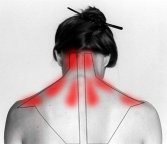 What Really Causes Neck Pain
and How to Get Lasting Relief
How is upper back pain diagnosed?
Your condition can be diagnosed by an MD, a physical therapist, or a chiropractor. But in order to get the most comprehensive picture of your condition, you may need to see more than one professional.
What are the symptoms of upper back pain?
The majority of the complaints range from local pain to radiating pain, weakness and pain in the arms, pain and irritation with any movement of the upper body, morning pain and stiffness.
What are the most common upper back pain treatments?
Cortisone injections, prescriptions for muscle relaxants or non-steroidal anti-inflammatory drugs (NSAIDs), and bed rest are most commonly employed.
Chiropractic care and physical therapy can offer spinal mobilizations, hot packs, ultrasound, electrical stimulation, cervical traction, and therapeutic exercises.
Surgery should always be your last option and should only be considered if the severity of your condition warrants it.
Why do traditional upper back pain treatments fail?
Most traditional treatments fail because they simply address the symptoms and fail to address the cause of the condition. Your pain is a physical problem and it requires a physical solution. There are no pills or injections that can create postural balance in your body, which is necessary to take the pressure off the nerve or make the joints work better.
Which upper back pain treatments work best?
The principles of Muscle Balance Therapy™ address your pain and also pinpoints what is responsible for your condition in the first place.
Through strategic bodily assessments, your individual muscle imbalances can be identified, and a targeted corrective program can be designed for your specific needs. The ultimate goal is to achieve a more balanced body and take the stress off the muscles, joints, and ligaments.
50 Years of Back Pain Gone in Just Days!
Jerry Talisman had suffered from chronic back pain on and off for over 50 years. Like most people, he had tried it all… chiropractors, physical therapy, he even overdosed on tylenol but nothing gave him lasting relief until he discovered muscle balance therapy.
Unlike most treatments which only deliver temporary relief, if any at all, muscle balance therapy delivers lasting relief to 8 out of 10 people who use it because it addresses the underlying cause of the pain, not just the symptoms.
If you suffer from any type of back pain, neck pain or sciatica, I urge you to learn more about this breakthrough new treatment. Click here to learn more…
Updated: May 12,2011